
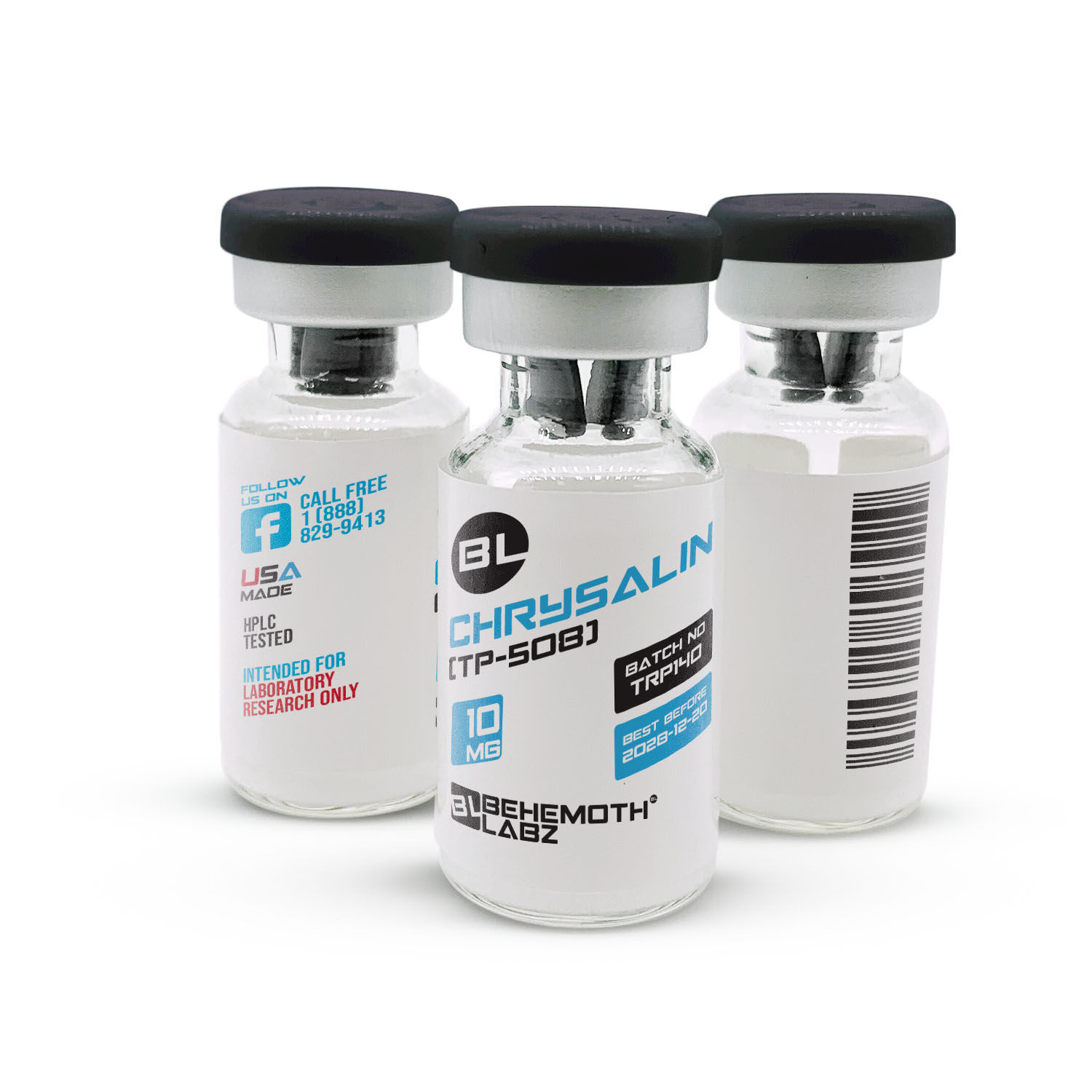

Chrysalin (TP-508)
$392.99
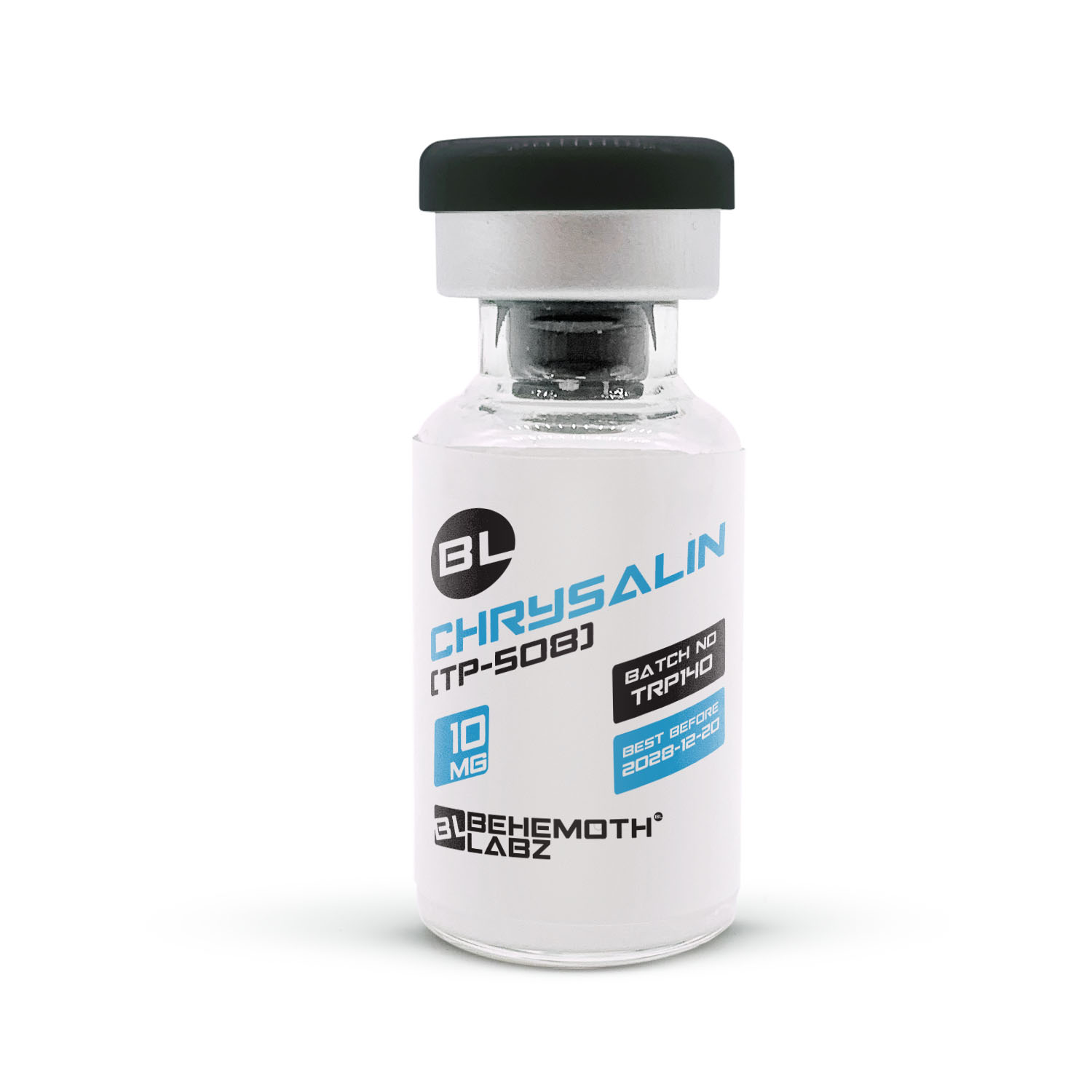
Chrysalin (TP-508), also known as rusalatide acetate, is a synthetic peptide that targets the high-affinity receptor-binding domain of thrombin. This nonproteolytic peptide is gaining attention in research for its potential therapeutic applications. Available now at Behemoth Labz for your needs.
Overview
Chrysalin (TP-508), commonly referred to as rusalatide acetate, is a synthetic 23-amino acid peptide that mimics specific fragments of prothrombin. This unique peptide represents the high-affinity receptor-binding domain of the native thrombin molecule. Unlike traditional thrombin, Chrysalin is a nonproteolytic peptide, which means it does not activate the coagulation cascade associated with thrombin’s proteolytic function. Researchers are exploring its diverse roles in wound healing and potential applications in various medical therapies.
Key Features
- Synthetic peptide with a specific amino acid sequence
- Compatible with various research uses and applications
- Nonproteolytic, reducing unwanted activation of coagulation
- Research-grade quality for reliable experimentation
- Available in multiple forms for ease of use
Specifications
| Property | Value |
|---|---|
| Peptide Sequence | 23 amino acids, residues 508-530 |
| Form | Injectable |
| Purity | Research-grade |
| Storage | Store in a cool, dry place |
FAQ
What is Chrysalin (TP-508) used for?
Chrysalin is primarily investigated for its potential in promoting wound healing and its role in various therapeutic applications related to thrombin functions.
How do I use Chrysalin (TP-508)?
Chrysalin is typically administered via injection. Consult your research protocols for specific dosing and application guidelines.
Is Chrysalin safe to use?
Chrysalin is intended for research purposes only. Follow safety guidelines and handle all peptides with care to ensure safety in all laboratory settings.
Explore the benefits of Chrysalin (TP-508) today. Add it to your research toolkit and discover its potential for your studies.
Related Products
Browse more in Injectables.
| Form | Peptide |
|---|---|
| Strength | 10mg |
Related products


List of Available Catalog Peptides
List of Available Catalog Peptides
Injectables
List of Available Catalog Peptides

Injectables
List of Available Catalog Peptides
Injectables


Injectables