

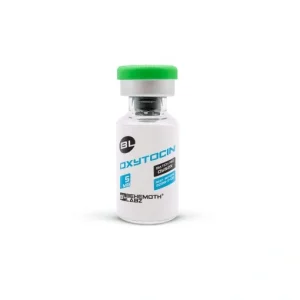

Oxytocin
$76.83
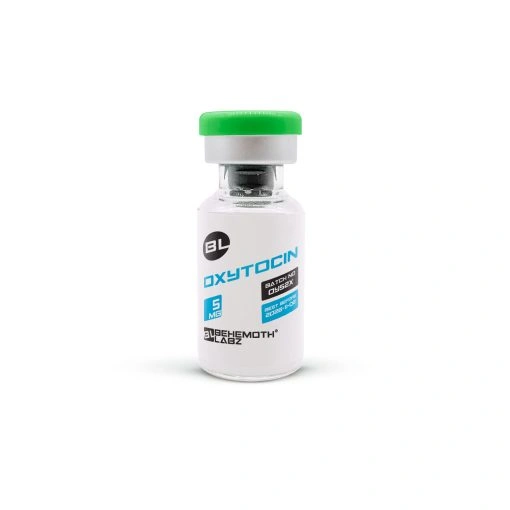
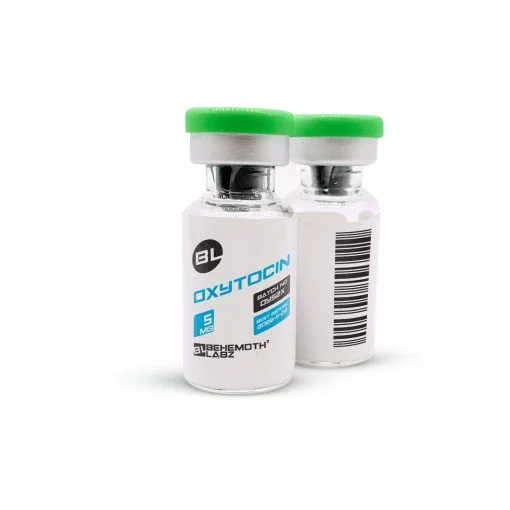
Oxytocin (OT) is a synthetic nanopeptide made up of nine amino acids, ideal for laboratory and preclinical studies. This exact copy of the endogenous sequence is essential for investigating receptor interactions, signal transduction pathways, and peptide stability in controlled experimental systems.
Overview
Oxytocin (OT) is a synthetic peptide hormone designed for research use. As a nine amino acid sequence, it mimics the natural hormone in human physiology. Scientists often utilize this peptide in laboratory settings to study various biological mechanisms, including receptor-ligand interactions and the stability of peptides under experimental conditions. Its precise formulation allows for accurate and reliable outcomes in preclinical tissue models.
Key Features
- Exact synthetic copy of the endogenous sequence
- Formulated for laboratory and preclinical studies
- Supports investigations into receptor-ligand interactions
- Ideal for research on signal transduction pathways
- Useful for studying peptide stability
Specifications
| Peptide Type | Concentration |
|---|---|
| Oxytocin | 10 mg/ml |
FAQ
What is Oxytocin used for in research?
Oxytocin is primarily used in laboratory and preclinical studies to explore receptor-ligand interactions and various biological mechanisms.
How is Oxytocin administered in experiments?
In research settings, Oxytocin can be administered in various forms, including injectables or liquids, depending on the specific requirements of the study.
Is Oxytocin safe to use in a laboratory setting?
Yes, Oxytocin is deemed safe for laboratory use when handled according to established protocols and guidelines for peptide research.
Discover the potential of Oxytocin for your research needs. Shop now at Behemoth Labz for high-quality peptides!
Related Products
Browse more in List of Available Catalog Peptides.
| Strength | 5mg |
|---|
Related products


List of Available Catalog Peptides
List of Available Catalog Peptides

List of Available Catalog Peptides

List of Available Catalog Peptides

List of Available Catalog Peptides
List of Available Catalog Peptides

List of Available Catalog Peptides


List of Available Catalog Peptides