
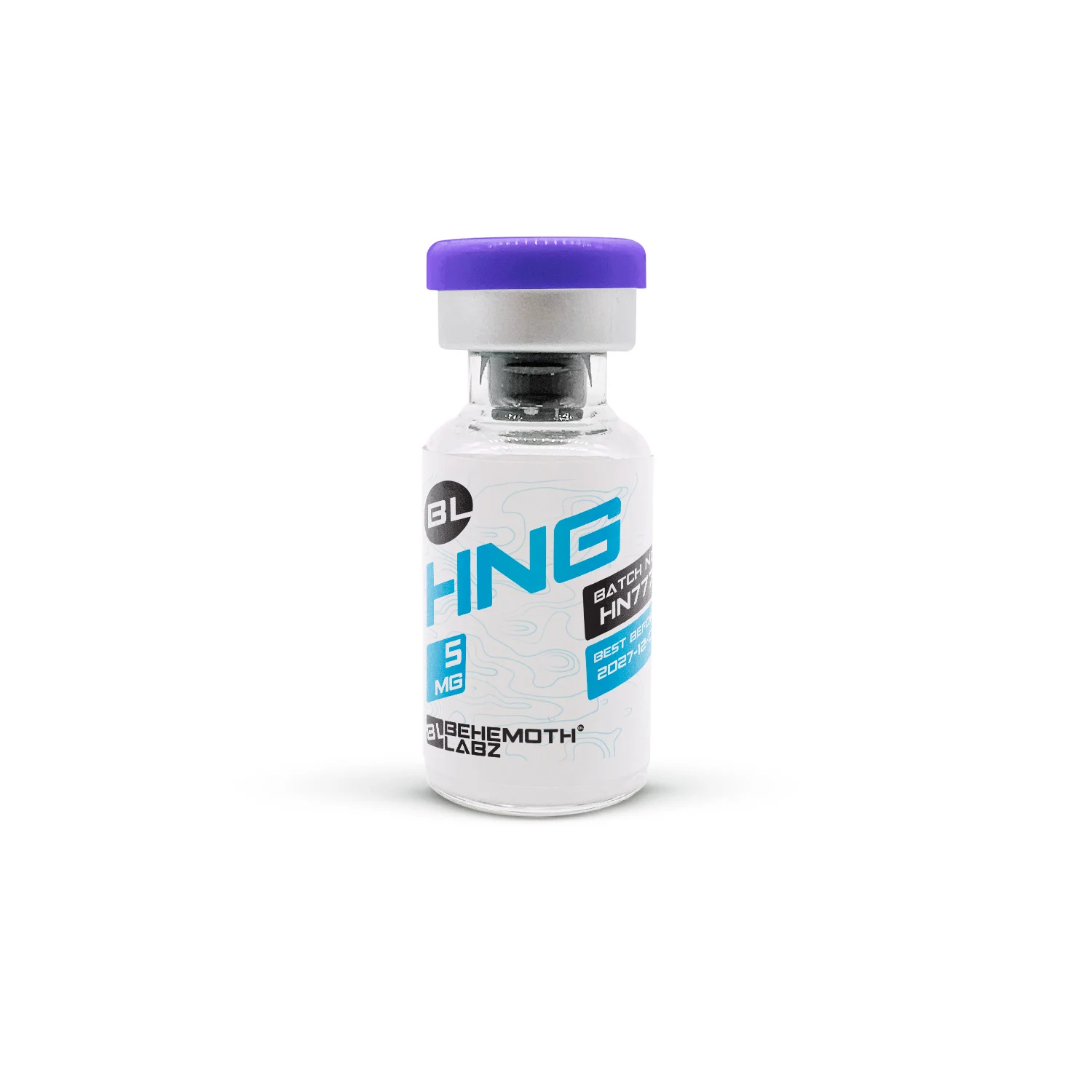
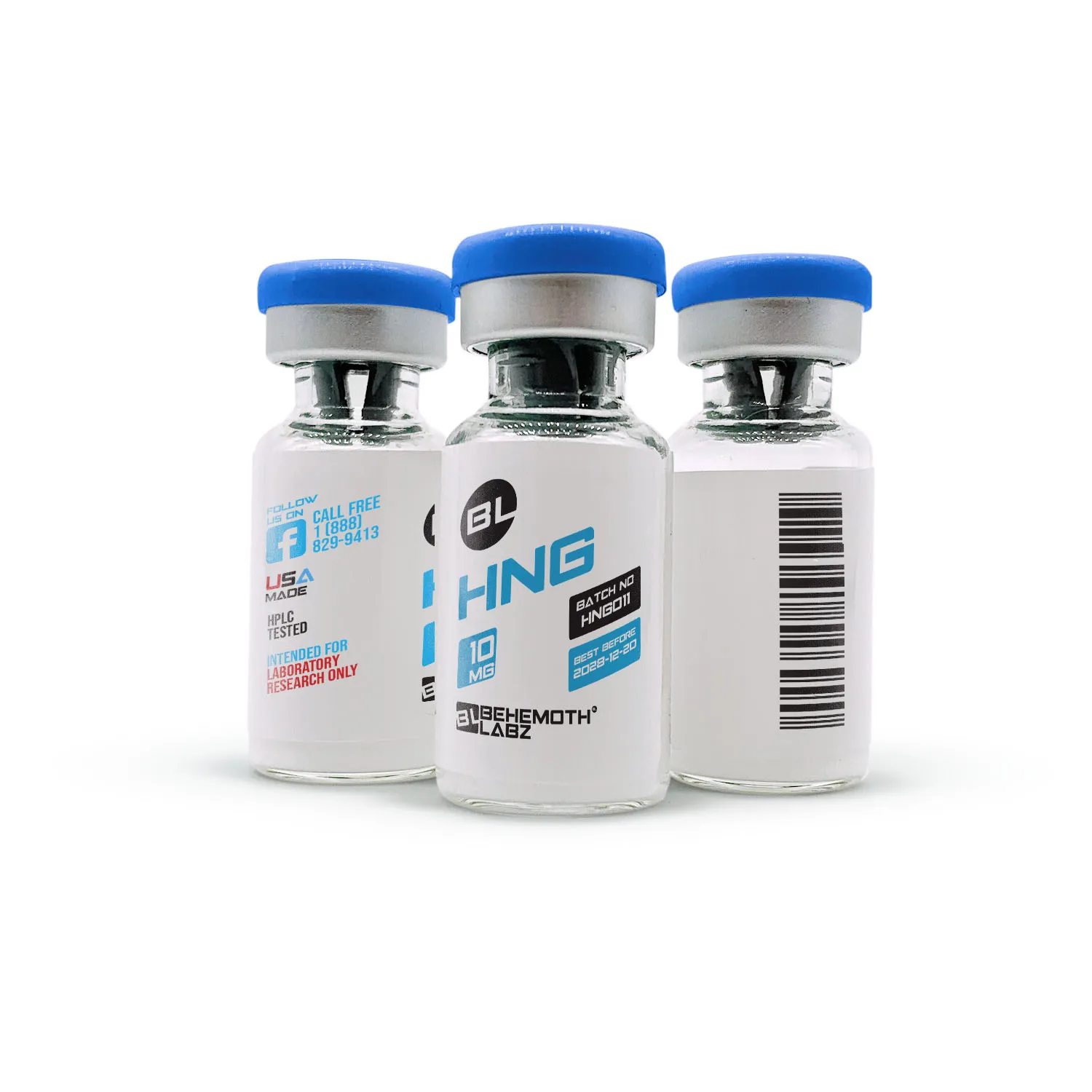
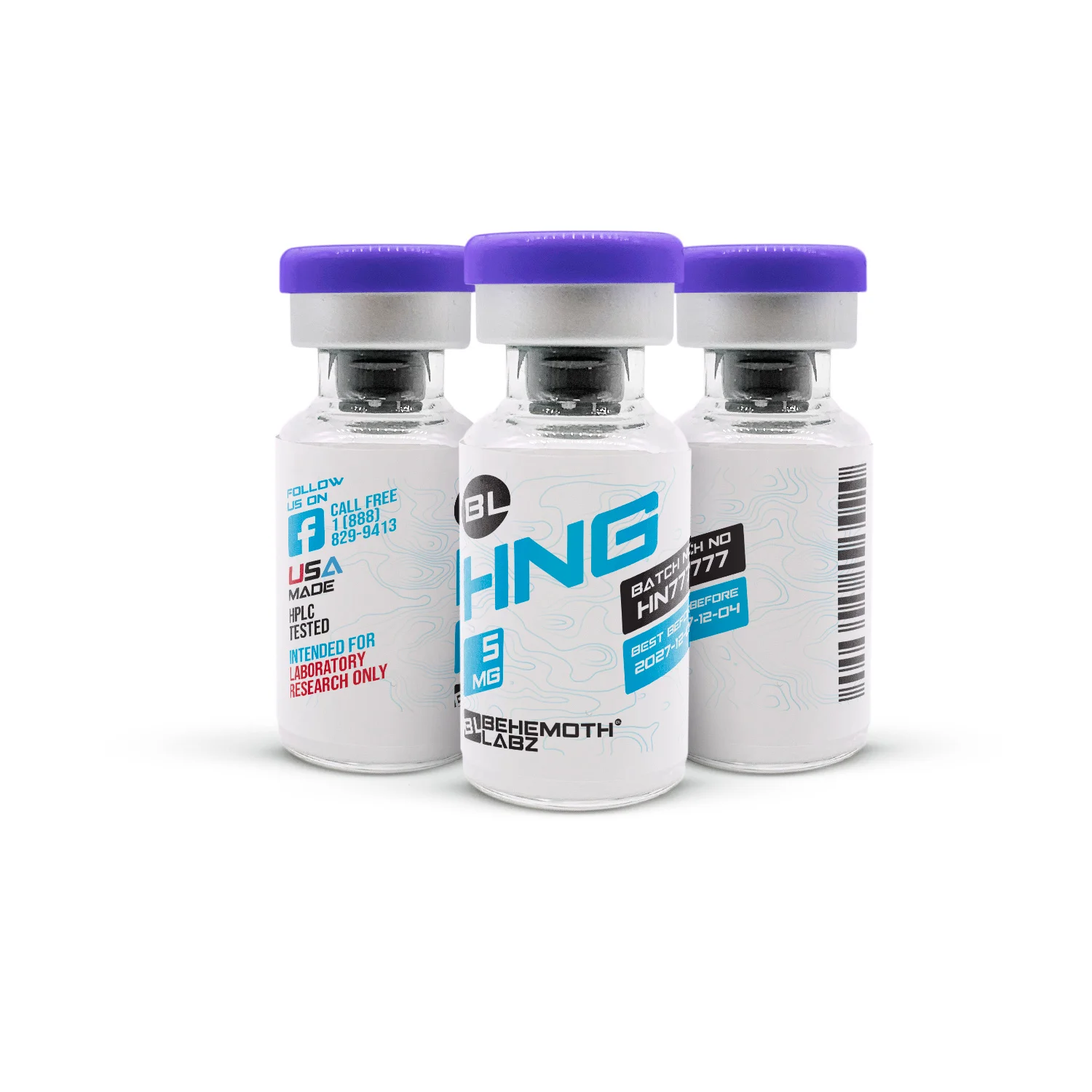
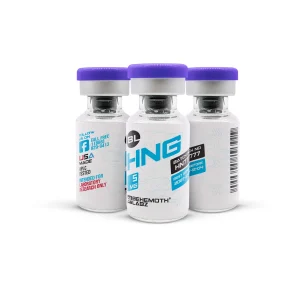
Buy HNG Peptide (10mg) Online | BehemothLabz
HNG is a synthetic 24-amino acid peptide. Researchers also refer to it as S14G-Humanin or [Gly14]-Humanin. It is a structurally modified analog of Humanin, a mitochondria-derived peptide first identified in human brain tissue. The structural change is a single-point substitution where serine at position 14 of the native Humanin sequence is replaced with glycine.
So, why do researchers find HNG particularly useful? In preclinical models, this substitution is associated with approximately 1,000-fold greater potency than the parent compound in preclinical models [Hashimoto et al., 2001]. This makes HNG the preferred analog for investigating mitochondrial stress signaling, modulation of the apoptotic pathway, and interactions within inflammatory cascades in laboratory settings.
ATTENTION: This product is strictly for LABORATORY AND RESEARCH PURPOSES ONLY. Not for human or veterinary use.
Mechanism of Action of HNG (S14G-Humanin)
How Does HNG Interact with Apoptotic Pathways?
HNG is thought to interact with BAX, a pro-apoptotic Bcl-2 family protein, in experimental cell models. This interaction may interfere with BAX-mediated mitochondrial outer membrane permeabilization. In laboratory studies, this is observed alongside modulation of the Bcl-2/Bax ratio, stabilization of mitochondrial membrane potential, suppression of cytochrome c release into the cytosol, and reduction of caspase-3 activity in challenged neuronal cell lines. These outcomes are observed in in vitro models only and do not confirm activity in complex biological systems.
HNG and IL-6/STAT3 Signaling in Inflammatory Models
In murine septic injury models, HNG was observed to interact with components of the IL-6 receptor family. Protein-peptide interaction data suggest HNG may competitively bind IL-6 receptor alpha, thereby attenuating downstream STAT3 phosphorylation and pro-inflammatory gene expression. These findings are model-specific, and their generalizability across systems remains uncertain.
Properties of HNG (S14G-Humanin)
| Property | Detail |
| Molecular Formula | C₁₁₈H₂₀₂N₃₄O₃₁S₂ |
| Molecular Weight | 2,657.3 g/mol |
| CAS Number | 330936-70-4 |
| PubChem SID | 16131438 (parent Humanin reference) |
| Peptide Sequence | Met-Ala-Pro-Arg-Gly-Phe-Ser-Cys-Leu-Leu-Leu-Leu-Thr-Gly-Glu-Ile-Asp-Leu-Pro-Val-Lys-Arg-Arg-Ala |
| Synonyms | S14G-Humanin, [Gly14]-Humanin, sHNG, Humanin-G |
| Peptide Class | 24-AA mitochondria-derived peptide analog (S14G variant) |
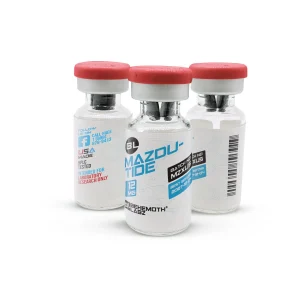
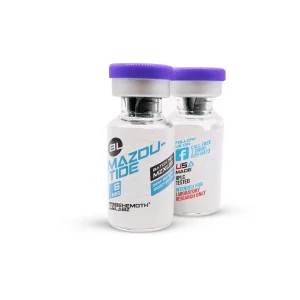
| Vial Size | 10mg |
| Form | Lyophilized Powder |
| Purity | ≥99% (HPLC) |
| Shelf Life | ≥24 months lyophilized under recommended conditions |
| Storage | −20°C; protect from light and moisture |
| WADA Status | Not listed on the WADA 2026 Prohibited List. Verify via GlobalDRO.com prior to sport science research use. |
Research Findings on HNG (S14G-Humanin)
Research has examined HNG’s role in protecting neuronal cells from amyloid-beta-induced apoptosis. In PC12 cell models challenged with Aβ(25-35), HNG was observed to preserve mitochondrial membrane potential and attenuate cytochrome c release. Reductions in caspase-3 activity and improvements in cell viability were noted at nanomolar concentrations in these in vitro settings. These are cell culture findings only, and data remains limited [Jin et al., 2010].
Additional preclinical investigation has examined native Humanin in cardiac ischemia-reperfusion injury models and its secondary neurological effects. In rodent models, Humanin administration during the ischemic period was associated with attenuation of brain mitochondrial dysfunction, reductions in tau hyperphosphorylation, and decreased amyloid-beta accumulation. These outcomes were dose-specific and observed solely in preclinical animal settings. Note: Kumfu et al. (2018) studied native Humanin, not S14G-Humanin (HNG). These findings are cited for a mechanistic context within the Humanin peptide family and do not apply directly to the HNG formulation supplied here. Findings are not consistent across all models [Kumfu et al., 2018].
Note: HNG is not approved by the FDA for any use. It is intended strictly for laboratory research purposes only and is not for human consumption.
Risk and Handling Information
Risk Tier: MODERATE
HNG is an uncharacterized peptide analog with no established human toxicological profile. The complete pharmacokinetic and safety data in humans do not exist. All handling must be conducted under appropriate laboratory safety conditions.
Exposure Risk
Lyophilized HNG powder presents an inhalation hazard. All weighing, reconstitution, and handling must be performed inside a certified fume hood or biosafety cabinet. N95 respiratory protection is required as a minimum during any powder manipulation. Direct skin and eye contact must be avoided at all times. Nitrile gloves, a lab coat, and safety eyewear are mandatory during all handling procedures.
Toxicity Uncertainty
HNG has not been evaluated for acute or chronic toxicity in humans. Preclinical in vitro and animal data cannot be used to extrapolate a safe exposure threshold for humans. Any uncontrolled human exposure must be treated as a potential toxicological event and managed per institutional first-aid and incident reporting protocols.
Storage Risk
Improper storage above −20°C or exposure to moisture accelerates peptide chain degradation and leads to loss of structural integrity. Vials must be stored sealed, protected from light, and at the recommended temperature at all times. Reconstituted solution must be used within 7 days and stored at 4°C. Repeated freeze-thaw cycling must be avoided. Single-use aliquoting is strongly recommended before initial reconstitution.
Disposal
All residual material, vials, syringes, and contaminated consumables must be disposed of in full compliance with applicable institutional biosafety regulations and chemical waste management protocols.
Why Choose BehemothLabz to Buy HNG Peptide?
BehemothLabz supplies HNG (S14G-Humanin) for laboratory and research use only. Each batch undergoes independent third-party HPLC analysis. A Certificate of Analysis is available for every production lot. BehemothLabz does not self-certify purity, and external laboratories verify each lot before release.
Disclaimer
Please make sure you go through the Terms and Conditions and familiarize yourself with them, as it is important. Please research the scientific uses of this product before making any purchases. Make note that the packaging and labels of the product may differ from those shown on the website. All research involving this compound must comply with IRB guidelines for clinical investigations and IACUC directives for animal studies under the Animal Welfare Act (AWA).
Buying the product means you agree to our Terms and Conditions. You can contact our customer service team at support@behemothlabz.com if you are not fully satisfied with the product.
ATTENTION: All BehemothLabz products are strictly for LABORATORY AND RESEARCH PURPOSES ONLY. They are not to be used for any human or veterinary purposes.
Reference Links
Jin, H., Liu, T., Wang, W. X., Xu, J. H., Yang, P. B., Lu, H. X., Sun, Q. R., & Hu, H. T. (2010). Protective effects of [Gly14]-Humanin on beta-amyloid-induced PC12 cell death by preventing mitochondrial dysfunction. Neurochemistry International, 56(3), 417–423. https://pubmed.ncbi.nlm.nih.gov/19941922/
Kumfu, S., Charununtakorn, S. T., Jaiwongkam, T., Chattipakorn, N., & Chattipakorn, S. C. (2018). Humanin exerts neuroprotection during cardiac ischemia-reperfusion injury. Journal of Alzheimer’s Disease, 61(4), 1343–1353. https://pubmed.ncbi.nlm.nih.gov/29376862/
Hashimoto, Y., Niikura, T., Tajima, H., Yasukawa, T., Sudo, H., Ito, Y., Kita, Y., Kawasumi, M., Kouyama, K., Doyu, M., Sobue, G., & Nishimoto, I. (2001). A rescue factor abolishing neuronal cell death by a wide spectrum of familial Alzheimer’s disease genes and Abeta. Proceedings of the National Academy of Sciences, 98(11), 6336–6341. https://pubmed.ncbi.nlm.nih.gov/11371646/