




PNC-27
$170.38
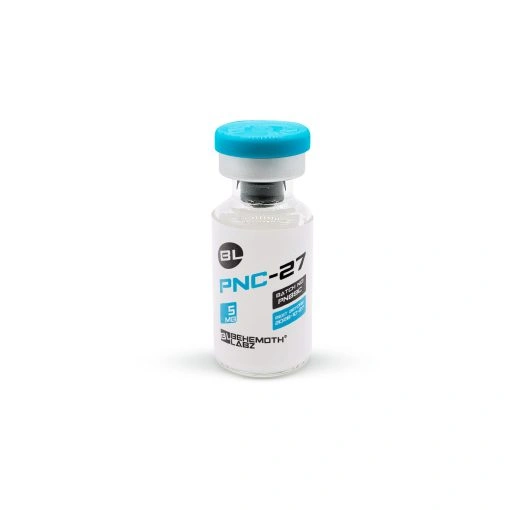
PNC-27 is an artificially made peptide derived from the p53 protein, designed for laboratory and preclinical research. This peptide facilitates the study of peptide-membrane interactions and protein-targeting mechanisms, making it essential for experimental models focused on selective binding to HDM-2, a protein expressed in certain proliferating cells.
Overview
PNC-27 is a unique peptide that combines a segment of the p53 protein with a cell-penetrating peptide sequence. Its primary application is in the realm of laboratory and preclinical research, serving as a critical tool for scientists investigating intricate interactions between peptides and cell membranes, as well as the mechanisms by which proteins target specific cells. Understanding these interactions is vital for advancing therapeutic strategies and enhancing research capabilities.
Key Features
- Artificially synthesized peptide for laboratory use
- Composed of p53 protein segment fused with a cell-penetrating sequence
- Ideal for research on peptide-membrane interactions
- Useful in studying protein-targeting mechanisms
- Selective binding capability to HDM-2 protein
Specifications
| Attribute | Details |
|---|---|
| Product Type | Peptide |
| Application | Laboratory and preclinical research |
| Target | HDM-2 protein |
FAQ
What is PNC-27 used for?
PNC-27 is primarily used in laboratory and preclinical settings to study peptide-membrane interactions and protein-targeting mechanisms.
How does PNC-27 work?
This peptide selectively binds to the HDM-2 protein, enabling researchers to explore various cellular processes and potential therapeutic pathways.
Is PNC-27 safe for human use?
PNC-27 is intended strictly for research purposes and has not been approved for human use.
If you’re looking to expand your research capabilities, consider adding PNC-27 to your laboratory’s toolkit today.
Related Products
Browse more in List of Available Catalog Peptides.
| Strength | 5mg |
|---|
Related products

List of Available Catalog Peptides
List of Available Catalog Peptides
List of Available Catalog Peptides
List of Available Catalog Peptides
List of Available Catalog Peptides


List of Available Catalog Peptides

List of Available Catalog Peptides

List of Available Catalog Peptides
